Product Description
Origins of Activated Carbon and How its made
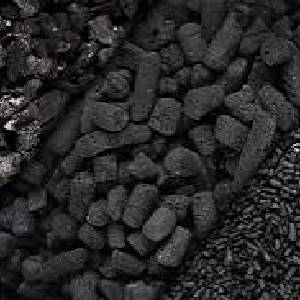
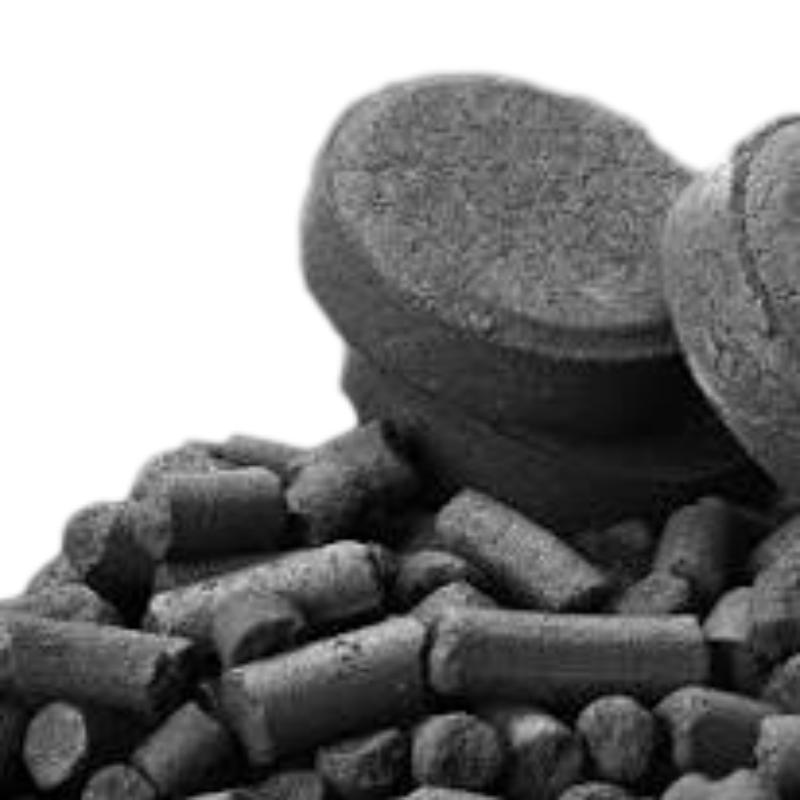
Organic matter when burned would generate carbon. To create activated carbon, the organic matter source material must be carbonaceous. In other words, you need a source material that produces a lot of charcoal when they are burned. Some common materials used to make activated charcoal includes coconut shell, sawdust, wood, bamboo, willow peat, coir, peach pits, petroleum pitch, and coal. Once these materials are burned you get charcoal. However, this charcoal isn’t activated carbon yet. They need to undergo a process of “activation” to create millions of tiny pores in its surface. To date, there are only two methods of “activation”; thermal or chemical activation.
Thermal Activation
As you could guess by its name thermal activation involves the use of heat to create pores in the carbon’s or charcoal’s surface. To be more precise, the carbon or charcoal is exposed to hot gases and steam. The entire thermal activation process involves the reduction of moisture, reduction of volatiles, carbonization, and steam treatment. Gases used in thermal activation includes carbon, nitrogen, or argon.
Chemical Activation
Chemical activation, also from the name itself, utilizes chemicals to create activated carbon’s minute pores. Before the organic matter is turned to carbon. Chemicals, usually strong base, acid, or salt, is added to the organic matter. When the chemically treated organic matter is burned to create charcoal, you get the activated charcoal or activated carbon instead.
How does Activated Carbon Work?
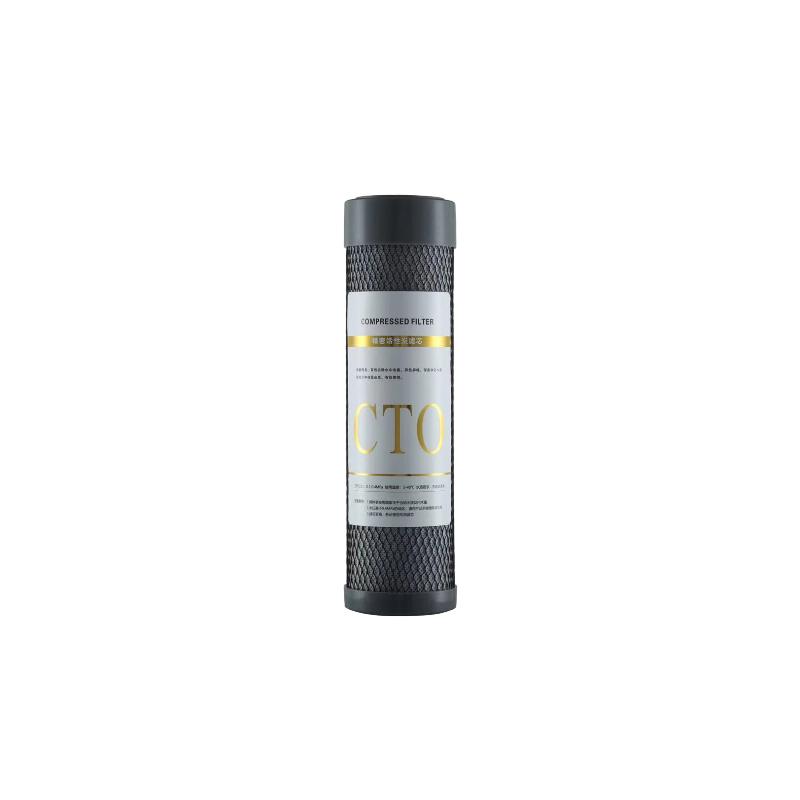
As mentioned earlier, activated carbon is used in a wide range of applications due to its large surface area. One common application of Activated Carbon is in filters. When liquid or air comes into contact with the activated carbon, the minute pores present in its surface would catch and trap the molecules present in the liquid or air. These molecules can be anything, including pollutants, but not water or air. In essence, Activated Carbon is capable of adsorbing undesirable chemicals present in both air and water. Aside from that, Activated Carbon can act as a catalyst or something that encourages chemical reactions. For example, chlorine is a disinfectant that is mixed in water but when it comes into contact with activated carbon they would react with it and generate chloride ions as a byproduct. This property of Activated Carbon makes it a suitable material for eliminating chlorine from water.
Activated Carbon has the ability to eliminate a wide range of pollutants from both air and water. However, its ability to remove these contaminants is greatly affected by factors such as the amount of pollutants present, the temperature, the acidity, and the duration of contact. It is also important to note that there are different kinds of activated carbon and each one is more suitable for a specific purpose compared to the rest. Those types of Activated Carbon which has relatively larger pores are more suitable at trapping large and heavy molecules such as organic chemicals. One the other hand, those types of activated carbon which posses finer pores are suitable for adsorbing small and light contaminants. Knowing which activated carbon to use is made easy by the manufacturers as they would often label them with their adsorption potential.
 Arabic
  English
  Dutch
Dutch  French
  German
  Italian
  Japanese
  Korean
  Russian
  Spanish