-
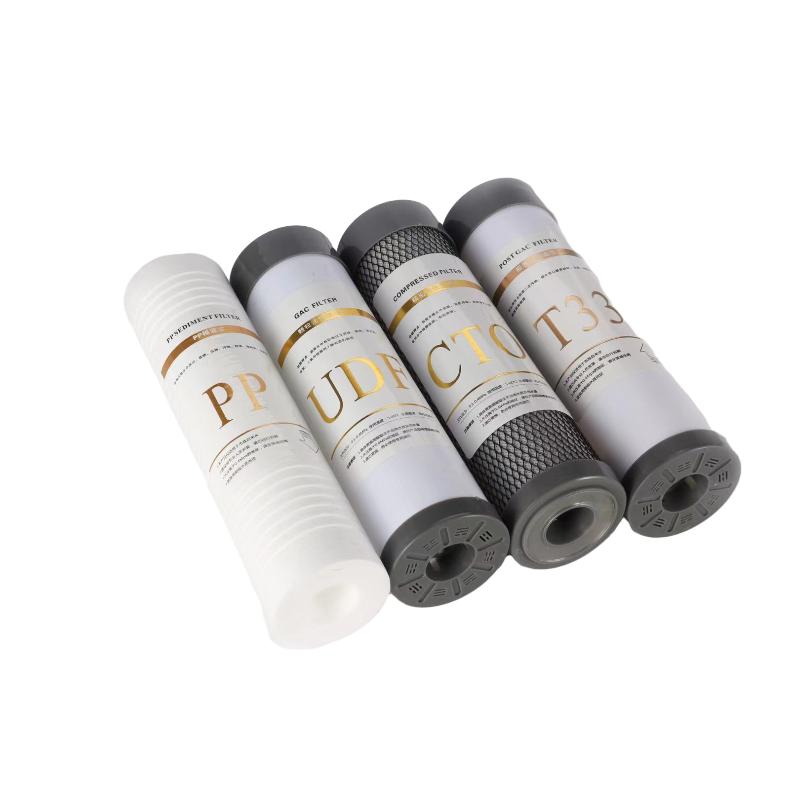
carbon activated pre filter- Why They Work Great Together
The water that comes from your tap may not be truly safe to drink. Tap water can contain high chlorine levels and harmful bacteria. Even though tap water passes certain government standards, it can still have negative short-term and long-term effects on your health.A 2018 study published by the Proceedings of the National Academy of Sciences of the United States of America confirmed there are 16 million cases of acute gastroenteritis (stomach flu) that occur every year at American community water systems. Every year, health-based drinking water quality violations affect up to 45 million people.Read more -
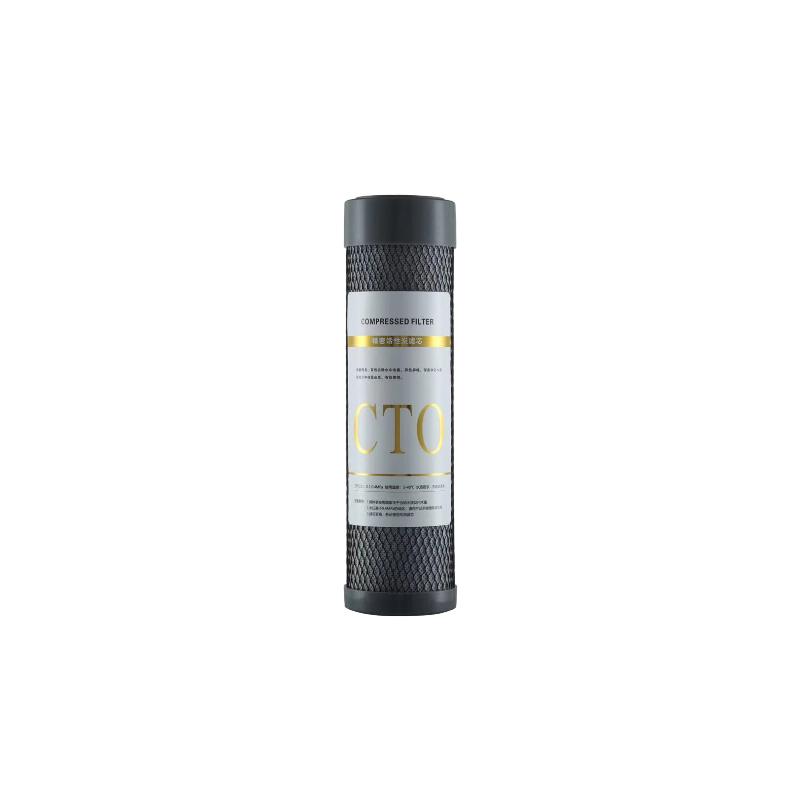
veva 8000 black air purifier-How Activated Carbon Treatment Works
Activated carbon filters are used to remove unwanted tastes, odors, radon, and some man-made volatile organic contaminants from drinking water. The efficiency of the unit depends on the type of activated carbon installed, the filter bed depth, the type of contaminants in the water and their concentration, and the contact time between the water and the carbon filter. Activated carbon filters do not adsorb every type of contaminant equally well. Carbon filters are easy to install and maintain, and operating costs are usually limited to filter replacement. Depending on the type and concentration of the contaminant being removed, some carbon filters may require special hazardous waste handling and disposal, which can be costly. Other filter types are available including charcoal and ceramic materials that treat the water similarly, through adsorption of the contaminant onto the filter.Read more -
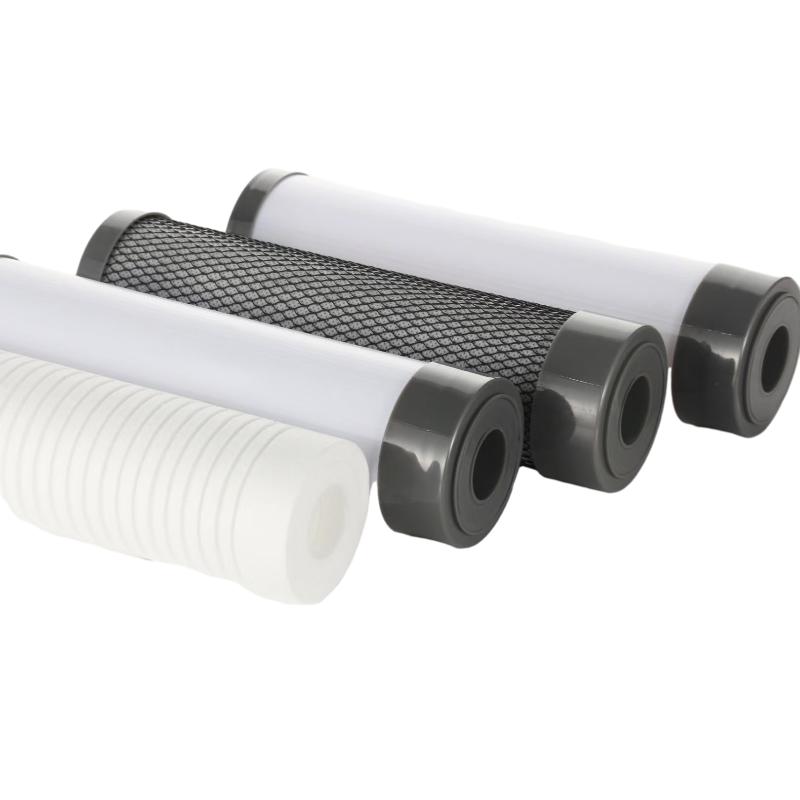
pre activated carbon filter-What are carbon filters?
Carbon filters are made by grinding up carbon from coconut shells, bituminous coal, peat, or other raw organic materials that are high in carbon. Most carbon filters are made from coconut. Charcoal is a type of carbon that sometimes is used interchangeably with carbon however carbon is a better choice because it’s purer and better quality than charcoal.To create the carbon that makes up a carbon filter, the organic material is heated to an extremely high temperature without oxygen. This bakes off any impurities. Next, it undergoes the activation process in which an even hotter steam creates pores and cracks in the carbon surface. These pores and cracks give active carbon its really high contaminant holding capabilities.Read more -
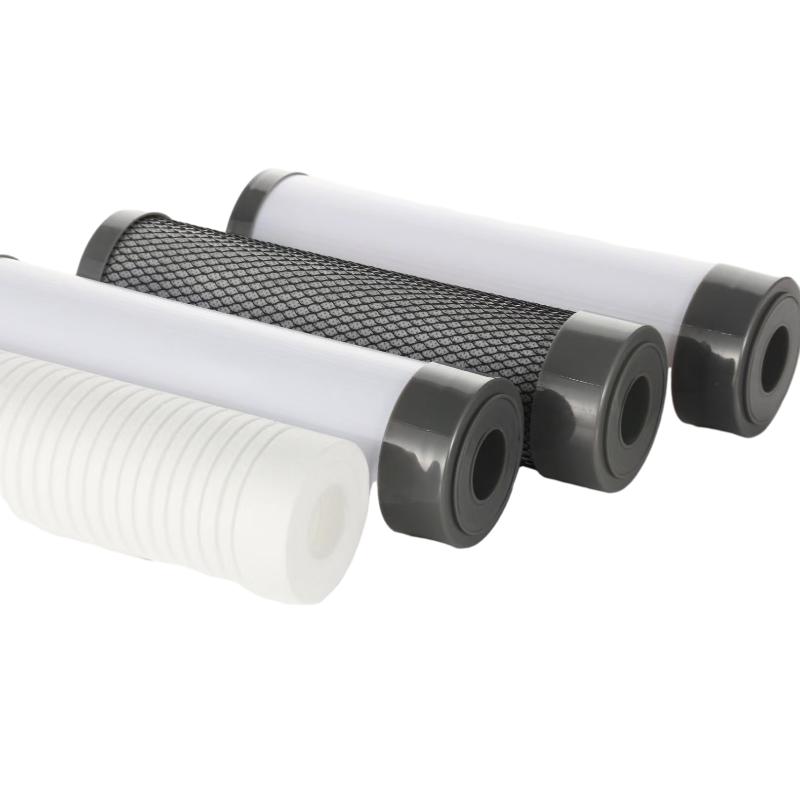
pre filter carbon-Activated Carbon Filters: What Do They Remove from Water?
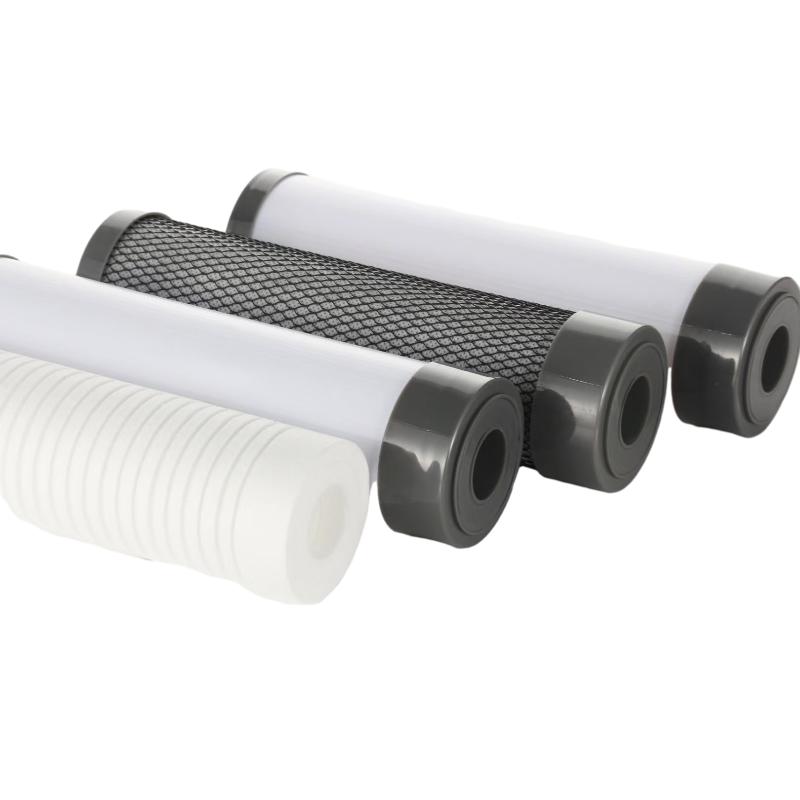
solid black porous sponge that has undergone some additional processing to make it better at selectively trapping impurities. First, it is injected with heat, steam, or chemicals, which creates millions of small pores in the carbon, vastly increasing the size of the surface area. This activation process creates more pores for the carbon to trap and absorb a broader range of contaminants, making the carbon far more effective as a filter medium.Each particle of carbon has a large surface area that gives the contaminants the maximum possible exposure to the active sites within the filter media so that more of the pollutants can be absorbed/removed. One pound (450g) of activated carbon contains a surface area of approximately 100 acres, which is almost three times the size of The Pentagon!Read more -
veva 8000 air purifier review-Compare GAC Carbon And Activated "Carbon Block" Filter?
Another way a carbon filter works, especially on liquid gases such as Chlorine, is through a chemical reaction rather than adhesion of particles to carbon particles. If the carbon is activated, activated catalytic (more reactive) carbon chemically alters the chlorine molecules, converting them into chloride (negatively charged ionic form of chlorine). Chlorine, chloride, chloramine all get removed from activated carbons, whether granulated or block. Furthermore, activate carbon reduces bad tastes, odours, and other particles in drinking water because they are highly porous and have a large surface area. As drinking water moves through a carbon filter, contaminants adhere to carbon. This is called adsorption and it has a finite amount of space. You can tell when carbon filter is ready to be replaced because water volume will drop.Read more -
Active Carbon Block Filter for water purifier-How to Choose an Activated Carbon Filter
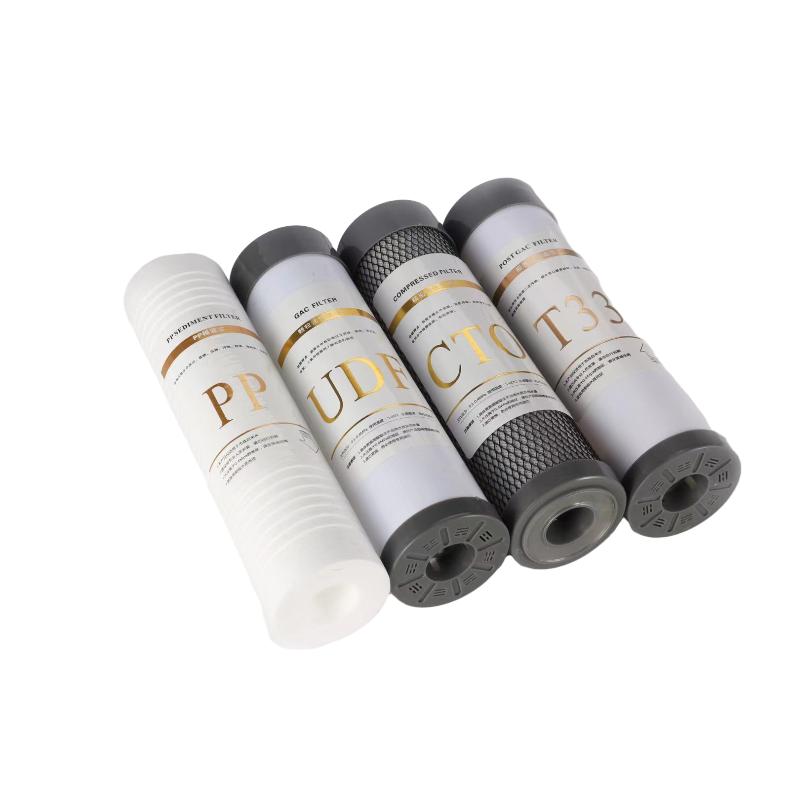
Activated Carbon is just stuff made out of carbon molecules, from materials like coconut or peat, which is ‘activated’ by heating it to high temperatures inside a special kiln. This causes it to develop an extremely elaborate network of pores and thus dramatically increases its surface area.One gram of activated carbon has a surface area roughly equal to the size of a football field.Read more -
Is There a Difference Between Activated Carbon & Charcoal Water Filters?
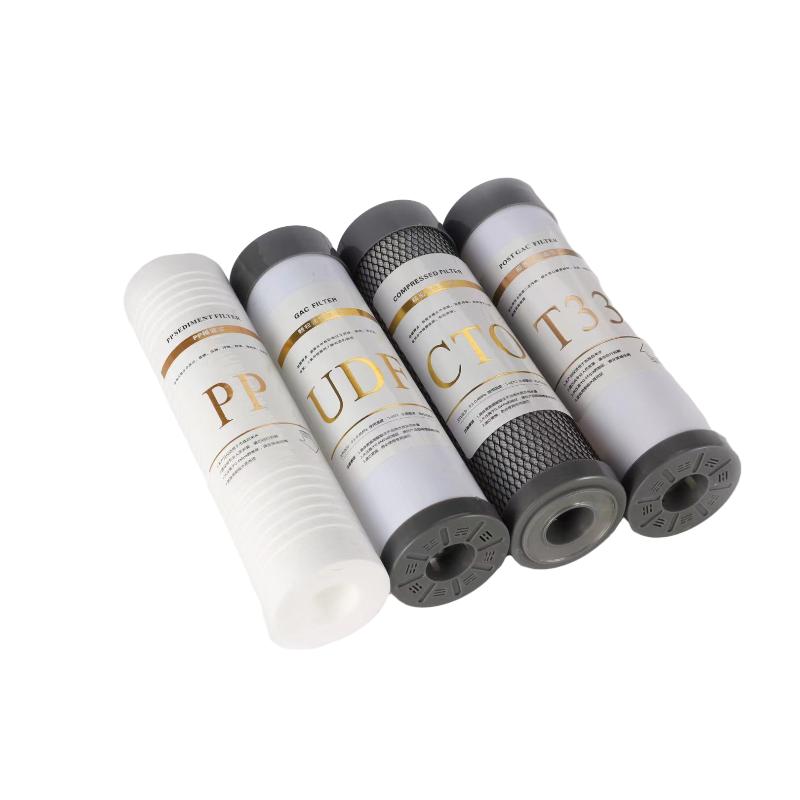
Charcoal is made by taking organic material – most often wood – and burning it without oxygen. This process is known as pyrosis. As a rule, the wood is burned at temperatures between 840 and 950 degrees Fahrenheit. After the wood has burned, the resulting material is allowed to cool. Then, vents in the kiln are closed to remove oxygen and allow the remnants to char.The result is the hard, porous substance known as charcoal. Charcoal contains a great deal of carbon and may be used for cooking, heating, and filtration, among other things.Read more -
Filtration: Sediment Activated Carbon and Mixed Media
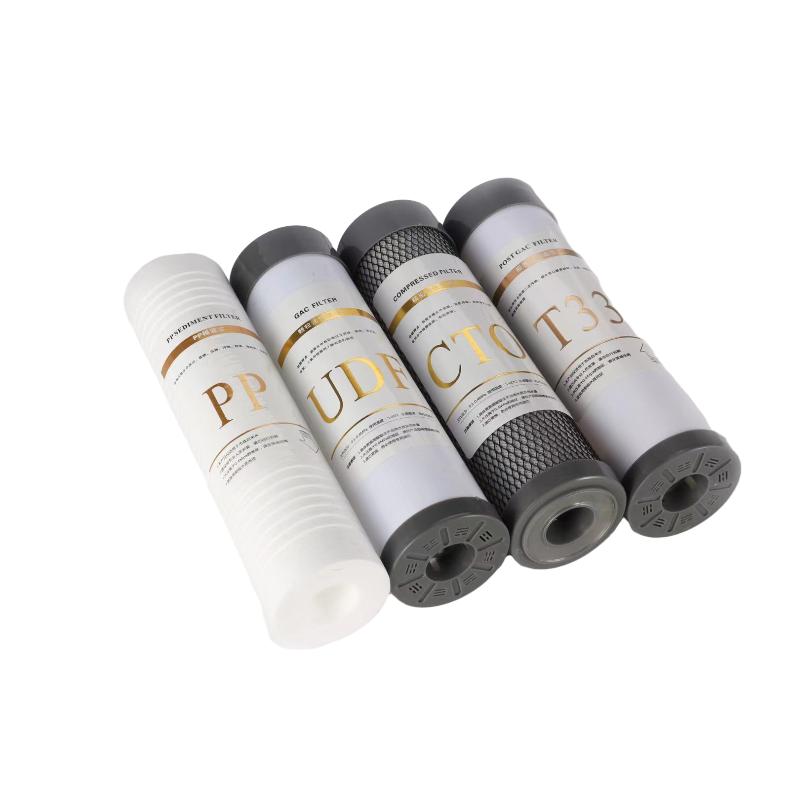
Filtering your drinking water can be an inexpensive and simple method of removing many aesthetic problems such as odor and color.It also can reduce some unhealthy contaminants such as volatile organic compounds (benzene, trichloroethylene, chloro-benzenes, vinyl chloride) and other contaminants that originate from petroleum products. Filtering also can remove living contaminants such as Giardia and Cryptosporidium, along with some heavy metals.You should have your water tested prior to purchasing any filters so you know what you need to remove. This publication will guide you through the selection of filters you may find at your local merchant.Read more -
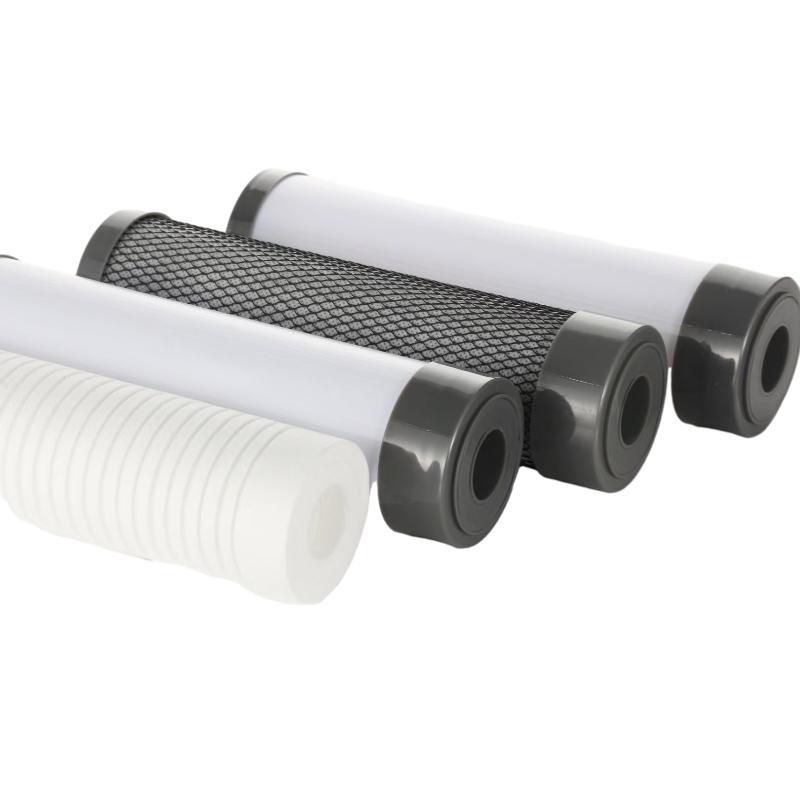
Activated Carbon Filters: What Are They And How Do They Filter Water?
Do you know what activated carbon filters are? If not, you're in for a treat! Activated carbon filters are a fantastic way to improve your water quality. This blog post will discuss what and how activated carbon filters work, and the benefits they offer. So, if you're curious about these amazing filters, read on!Activated Carbon Filters are one of the most widely used products in water purification, but if you are just learning about water filters or you’re unfamiliar with the different types of filters out there, this can be just another bit of jargon that isn’t quite clear on what it actually is.Read more
 German
  English
  Arabic
  Dutch
Dutch  French
  Italian
  Japanese
  Korean
  Russian
  Spanish